

DESCRIPTION
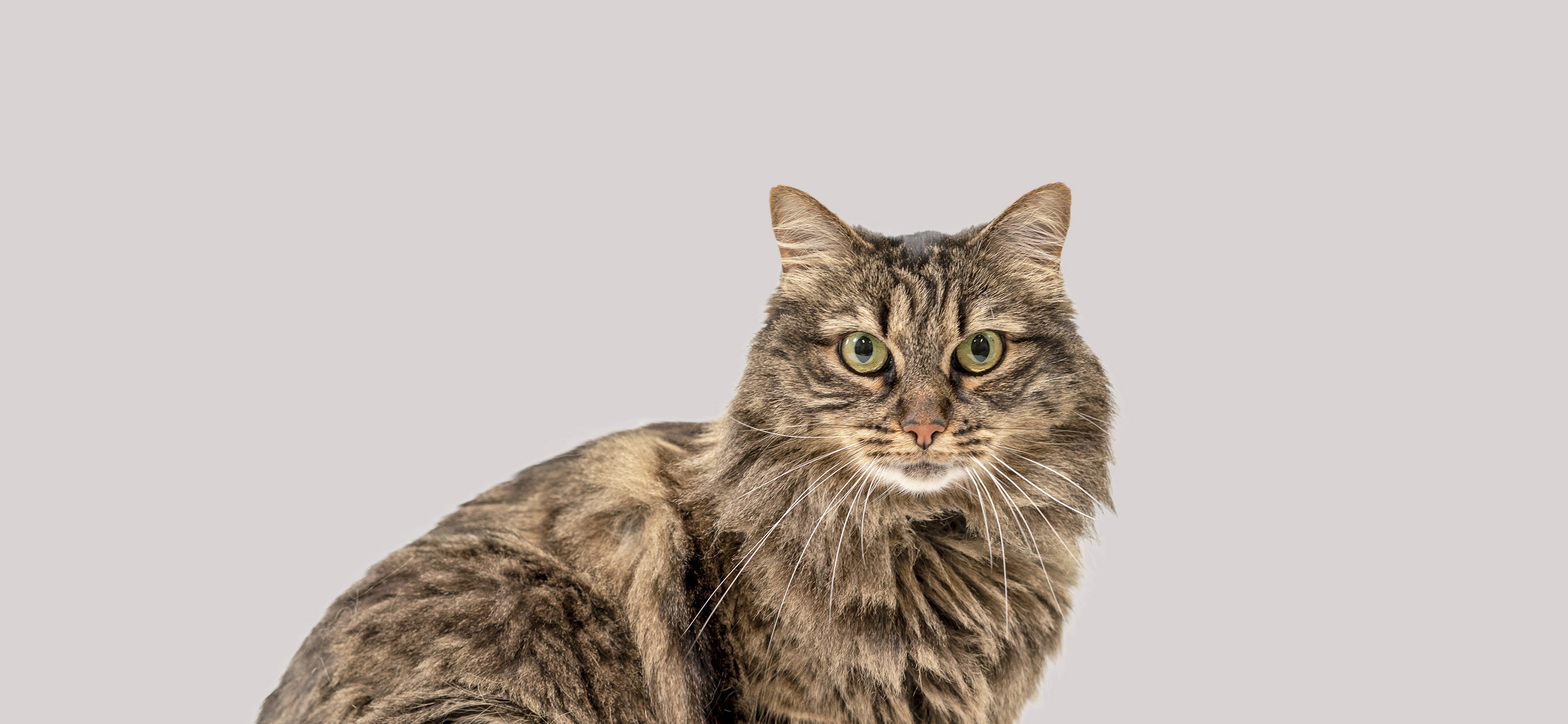
Cats that have had severe injuries or fractures to their front legs' radius, ulna, or carpal (wrist) joints may find relief with the Balto Bone. Stabilize and support your feline's front limb or legs (or both at once) with this non-neoprene casting and splinting alternative that won't restrict natural movement. For cats who want to keep moving around while they heal, this brace is a great choice for a little extra support.
BRACE APPLICATIONS
- Post-casting-removal for continued stability
- Alternative to traditional splints or casts
- Post-surgical support
- Acute pain management
- Complementary treatment option to physical therapy – can be used in combination with hydrotherapy and acupuncture
- IV catheter stabilization and protection in-hospital for the cephalic vein
BRACE FEATURES
- Three rigid airplane aluminum splints; two splints that can be freely placed with durable Velcro to provide different positions and levels of stability, and a third fixed to the back of the brace.
- Adjustable upper and lower padding straps can be lengthened or shortened on the leg to ensure an excellent fit
Comes in sizes xx-small and x-small. To find the best size for your pet, visit the sizing chart here
Learn How Properly Fit the Balto Splint to Your Cat
All Balto® braces are made from high-quality materials, not neoprene - which has been known to collect bacteria, provide inadequate support, and wear down quickly. A variety of sizes ensure a secure fit. No pinching straps.
For indoor-outdoor cats, please remove the brace prior to going outside.
Recommended for all ages unless otherwise advised by veterinarians. Apply brace for balanced increments of time, if appropriate, for pets under the age of 2 to prevent possible growth disturbances.
Size Chart
| SIZE | WEIGHT | LENGTH |
|---|---|---|
| X-Small | 10 - 20 lbs | 3" - 4" |
Length: Distance from around 2.5 cm below the elbow down to the carpus
| SIZE | WEIGHT | LENGTH |
|---|---|---|
| X-Small | 5-10 kg | 8-10.5 cm |
Length: Distance from around 2.5 cm below the elbow down to the carpus
Instructions for Use
Step 1
Prepare the brace by opening the straps and position the brace on the metacarpal pad of the leg. The phalanges must be free to move (Fig. 1).Step 2
Hold the brace firmly against your dog or cat's leg (Fig. 2).Step 3
Tightly close with the Velcro straps (starting with the top straps). The brace should not be loose or twist on the leg (Fig. 3).Step 4
Tightly close the bottom strap using the Velcro strap (Fig. 4).NOTE: It is not necessary for the brace to overlap.
Tips & Tricks
- To prolong the durability of the brace we recommend covering the brace with a shoe or sock.
- Allow up to two weeks for your pet to fully accept the brace
- Wear the brace for 30 minutes a day, increasing 30 minutes each day after, for up to 12 hours
- Consult your veterinarian for specific instructions on when to wear your brace
- Remove the brace when your animal sleeps at night
- Inspect your pet for signs of skin irritation. If any are present, contact your veterinarian
- In addition to wiping the brace clean, keep skin and fur that comes into contact with the brace clean
- Inspect your brace regularly for any damage
CONTACT US
Maintenance & Repair
A clean brace not only prevents infections, irritation, and a stinky smell; but it also allows your brace to last longer. To help support the longevity of your bracing device, here are some of our tips on how to properly clean your orthopedic bracing:
- Remove as much hair as possible from any Velcro® frequently to prevent compaction.
- Use lint roller or lightly adhesive tape to remove hair from the material of the brace.
- By hand, use warm water and a gentle cleansing soap to remove any stains and odors.
- Rinse soap thoroughly from the brace
- Hang to dry. Once the brace is completely dry, it is ready for use!
DESCRIPTION
Cats that have had severe injuries or fractures to their front legs' radius, ulna, or carpal (wrist) joints may find relief with the Balto Bone. Stabilize and support your feline's front limb or legs (or both at once) with this non-neoprene casting and splinting alternative that won't restrict natural movement. For cats who want to keep moving around while they heal, this brace is a great choice for a little extra support.
BRACE APPLICATIONS
- Post-casting-removal for continued stability
- Alternative to traditional splints or casts
- Post-surgical support
- Acute pain management
- Complementary treatment option to physical therapy – can be used in combination with hydrotherapy and acupuncture
- IV catheter stabilization and protection in-hospital for the cephalic vein
BRACE FEATURES
- Three rigid airplane aluminum splints; two splints that can be freely placed with durable Velcro to provide different positions and levels of stability, and a third fixed to the back of the brace.
- Adjustable upper and lower padding straps can be lengthened or shortened on the leg to ensure an excellent fit
Comes in sizes xx-small and x-small. To find the best size for your pet, visit the sizing chart here
Learn How Properly Fit the Balto Splint to Your Cat
All Balto® braces are made from high-quality materials, not neoprene - which has been known to collect bacteria, provide inadequate support, and wear down quickly. A variety of sizes ensure a secure fit. No pinching straps.
For indoor-outdoor cats, please remove the brace prior to going outside.
Recommended for all ages unless otherwise advised by veterinarians. Apply brace for balanced increments of time, if appropriate, for pets under the age of 2 to prevent possible growth disturbances.
Size Chart
| SIZE | WEIGHT | LENGTH |
|---|---|---|
| X-Small | 10 - 20 lbs | 3" - 4" |
Length: Distance from around 2.5 cm below the elbow down to the carpus
| SIZE | WEIGHT | LENGTH |
|---|---|---|
| X-Small | 5-10 kg | 8-10.5 cm |
Length: Distance from around 2.5 cm below the elbow down to the carpus
Instructions for Use
Step 1
Prepare the brace by opening the straps and position the brace on the metacarpal pad of the leg. The phalanges must be free to move (Fig. 1).Step 2
Hold the brace firmly against your dog or cat's leg (Fig. 2).Step 3
Tightly close with the Velcro straps (starting with the top straps). The brace should not be loose or twist on the leg (Fig. 3).Step 4
Tightly close the bottom strap using the Velcro strap (Fig. 4).NOTE: It is not necessary for the brace to overlap.
- To prolong the durability of the brace we recommend covering the brace with a shoe or sock.
- Allow up to two weeks for your pet to fully accept the brace
- Wear the brace for 30 minutes a day, increasing 30 minutes each day after, for up to 12 hours
- Consult your veterinarian for specific instructions on when to wear your brace
- Remove the brace when your animal sleeps at night
- Inspect your pet for signs of skin irritation. If any are present, contact your veterinarian
- In addition to wiping the brace clean, keep skin and fur that comes into contact with the brace clean
- Inspect your brace regularly for any damage
A clean brace not only prevents infections, irritation, and a stinky smell; but it also allows your brace to last longer. To help support the longevity of your bracing device, here are some of our tips on how to properly clean your orthopedic bracing:
- Remove as much hair as possible from any Velcro® frequently to prevent compaction.
- Use lint roller or lightly adhesive tape to remove hair from the material of the brace.
- By hand, use warm water and a gentle cleansing soap to remove any stains and odors.
- Rinse soap thoroughly from the brace
- Hang to dry. Once the brace is completely dry, it is ready for use!
